“Severe pain and numbness from a herniated disc… don’t give up—consult us first.”
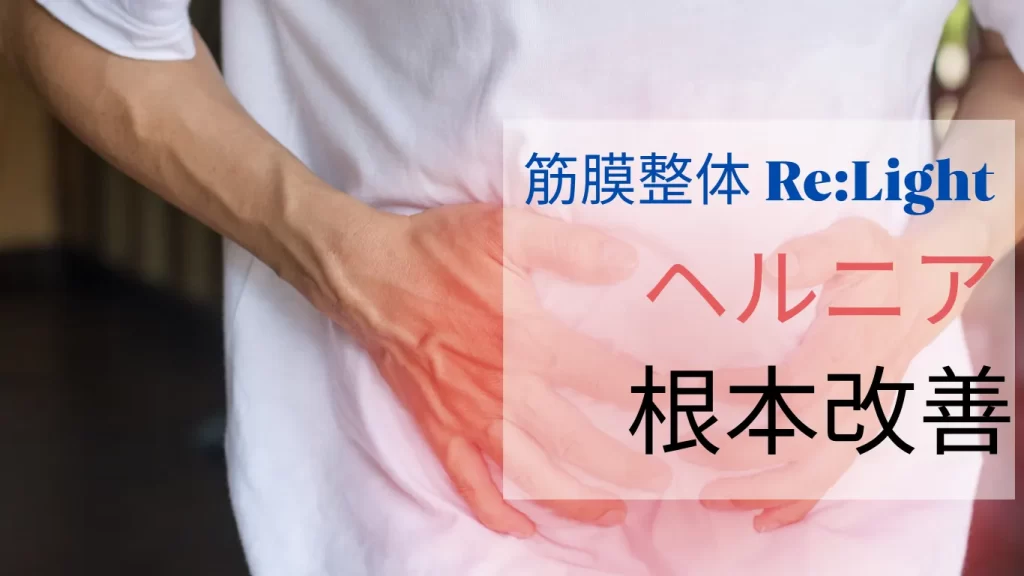
Are you experiencing any of these problems?
Your concerns
Leave it to Re:Light!
“My severe lower back pain and tingling in my legs have improved.”
What Is a Herniated Disc?
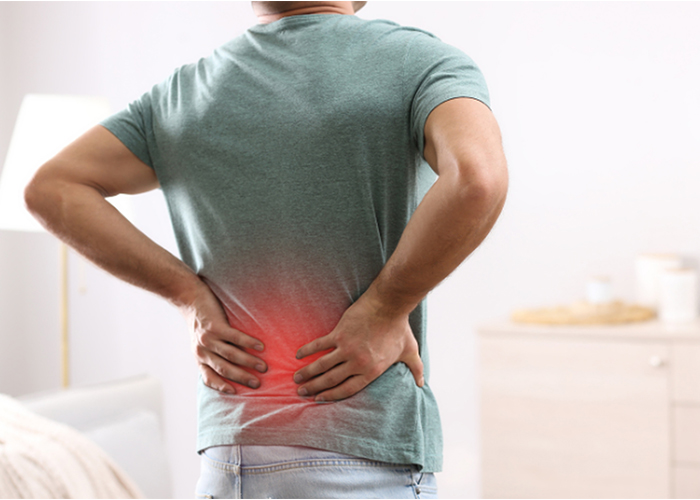
A hernia refers to a condition in which an organ or tissue protrudes from its normal position. Common types include intervertebral disc herniation, cervical disc herniation, and inguinal hernia. Causes can include tissue weakening due to aging, or chronic strain from heavy labor or persistent coughing.
Characteristics and Progression of a Herniated Disc
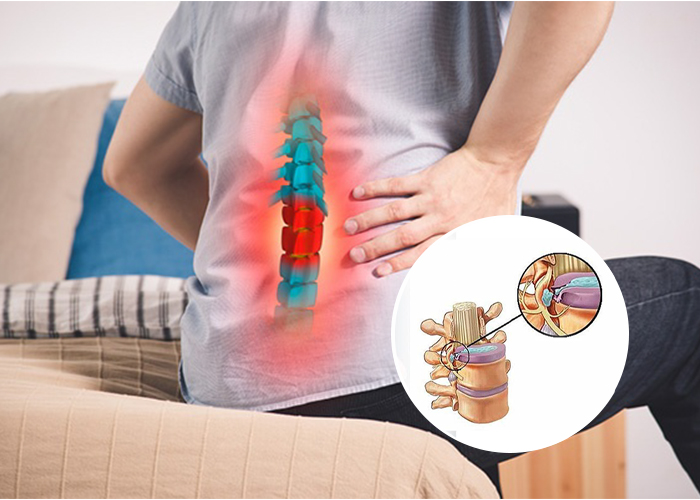
A herniated disc occurs when an intervertebral disc—the cushion between the vertebrae—becomes deformed and protrudes, potentially compressing nearby nerves. However, even if a hernia is confirmed through imaging, it does not necessarily cause symptoms. Some people remain symptom-free for long periods, while others may experience sudden pain. In many cases, the herniated portion naturally shrinks within about six months.
The term ‘hernia’ refers to the portion that has protruded from the disc, but whether it actually contacts a nerve is a key factor in determining whether symptoms appear.
Symptoms and How It Is Diagnosed in Medical Facilities
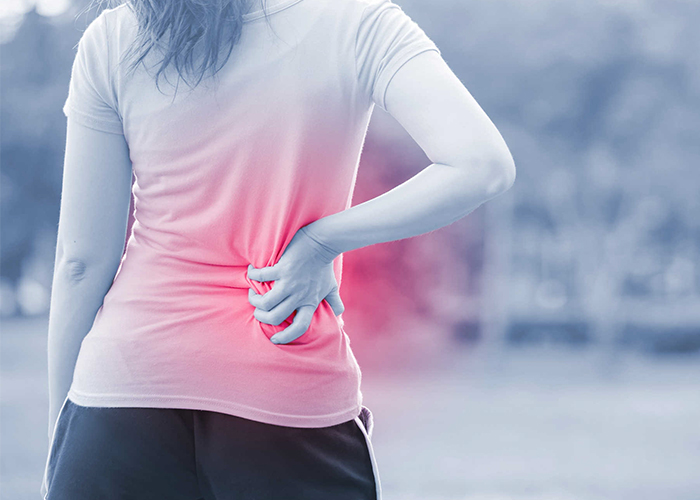
With a herniated disc, pain is often felt when leaning forward, and lifting the leg on the affected side can be particularly difficult.
An accurate diagnosis requires not only these physical findings but also a neurological examination to check for muscle weakness, paralysis, deep tendon reflexes, and skin sensation. Additionally, imaging tests such as X-rays, MRI, or CT scans are used to determine the level and extent of the injury.
Our Approach
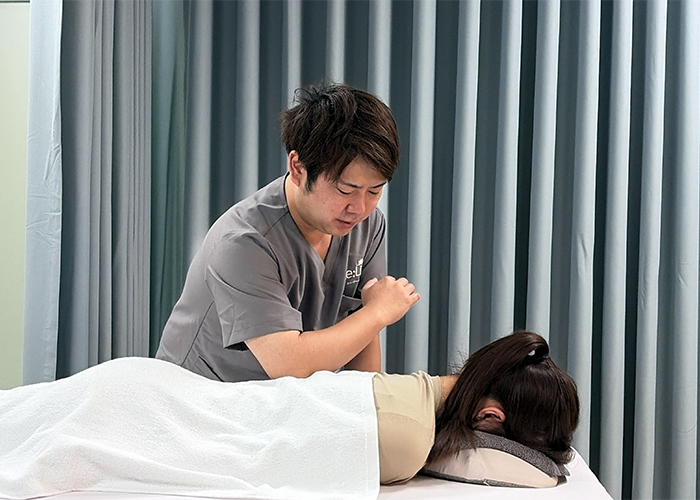
At Re:Light, we do not aim to directly address the hernia itself. Instead, we take a fascia‑based perspective and place importance on overall body usage and posture.
Fascia is often described as tissue that surrounds the body, and tension around this tissue may influence how movement and posture are perceived.
During sessions, we focus on awareness of whole‑body connections and revisiting posture and body usage, supporting a state in which physical strain is felt less strongly.