
“Struggling with dizziness or ringing in the ears… don’t give up—consult us first.”
Are you experiencing any of these problems?
Your concerns
Leave it to Re:Light!
“They were very attentive and caring from the first session, which made me feel at ease.”
What is dizziness? (A symptom caused by a disturbance in balance)
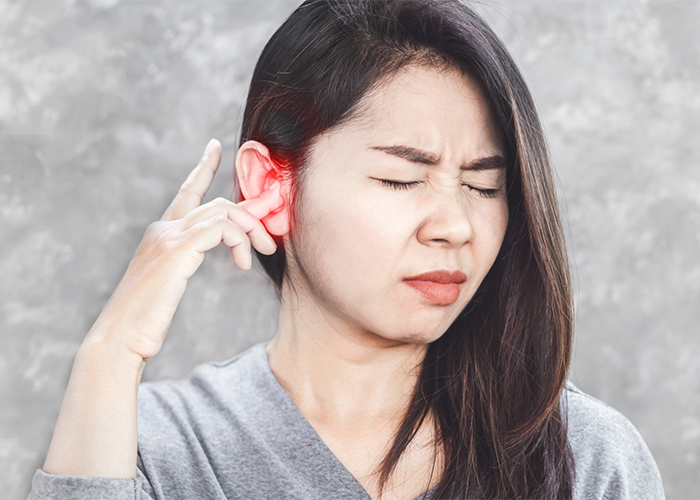
Dizziness is a symptom that occurs when your sense of balance is disrupted due to problems in the ear (peripheral) or brain (central), stress, or autonomic nervous system imbalances. It can feel like spinning (“rotational”) or a floating, unsteady sensation (“floating”), and may be accompanied by nausea or hearing loss.
If dizziness comes with nausea, numbness in the hands or feet, severe headaches, or consciousness disturbances, it could indicate a serious condition such as a stroke, and immediate medical attention is necessary.
The three main types of dizziness
Dizziness is mainly classified into the following three types:
- Rotational dizziness (a spinning sensation)
This type is often caused by ear-related conditions, such as benign paroxysmal positional vertigo (BPPV) or Ménière’s disease. - Floating dizziness (a light, unsteady sensation)
This type can be caused by brain disorders (such as a stroke), autonomic nervous system imbalances, or tension in the neck and shoulders. - Lightheadedness (a darkening of vision)
This occurs when blood flow to the brain temporarily drops, often due to a sudden drop in blood pressure when standing up, low blood pressure, or anemia.
The relationship between Ménière’s disease and dizziness or ringing in the ears
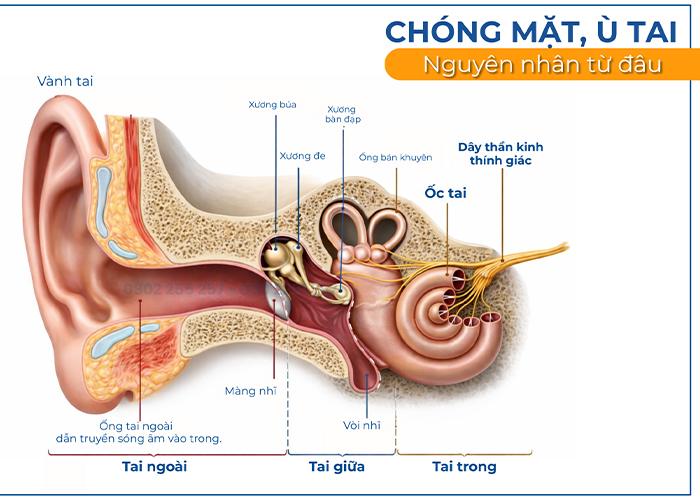
Ménière’s disease is caused by an increase of fluid in the inner ear (endolymphatic hydrops) and leads to repeated episodes of four main symptoms: severe rotational dizziness, hearing loss, ringing in the ears, and a feeling of fullness in the ear.
Stress, fatigue, and lack of sleep are common triggers, and it is often seen in people aged 30–50 who are responsible and meticulous by nature. Treatment mainly involves medication, and improving lifestyle habits is also important.
Other factors that contribute to the onset

Causes include an excess of fluid in the inner ear, which creates a swelling-like condition. It is also said to be more likely to occur in people who are responsible, meticulous, or sensitive by nature.
Additionally, overproduction of antidiuretic hormone and changes in atmospheric pressure are thought to be related factors.
Our approach

At Re:Light, we approach sensations such as dizziness or ear‑related discomfort by looking beyond specific areas and paying attention to whole‑body balance, including posture and body usage.
With a fascia‑based perspective, we encourage awareness of tension around the head and facial areas, supporting a sense of connection throughout the body.
Rather than limiting the experience to the session itself, we value approaches that help everyday life feel easier and more manageable.