
Severe jaw pain and numbness from TMJ disorder… don’t give up—consult us first.
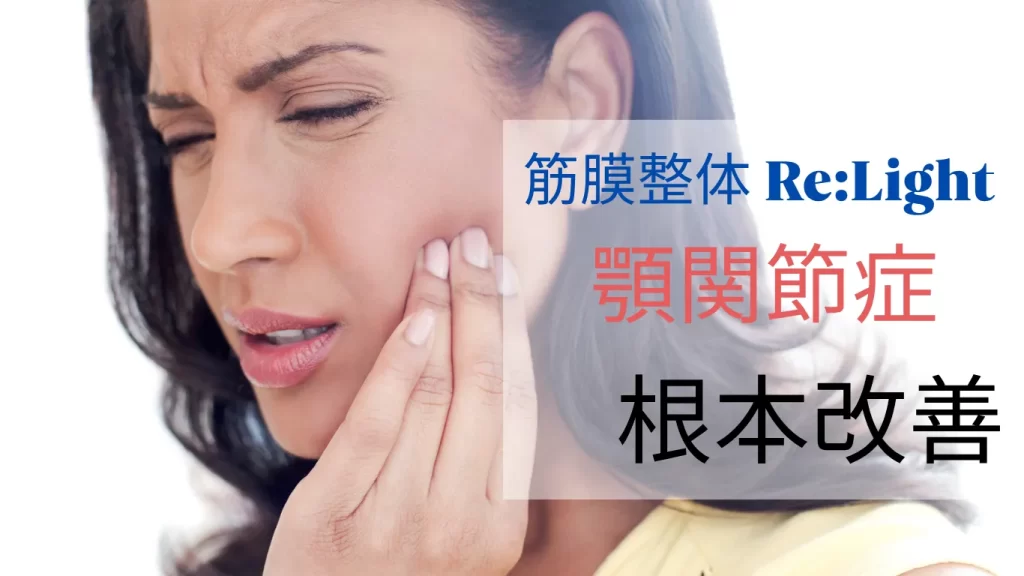
Are you experiencing any of these problems?
Your concerns
Leave it to Re:Light!
“My jaw pain from neck and shoulder stiffness improved, and now I can enjoy meals again!”
“My jaw got better, and I was finally able to eat a hamburger!”
Main Causes of Temporomandibular Joint (TMJ) Disorder

The causes of temporomandibular joint (TMJ) disorder include congenital skeletal issues and misaligned teeth. Poor posture, such as slouching or forward head posture, can also lead to a misaligned bite, increasing the risk of TMJ disorder.
Additionally, a history of jaw dislocation or other prior jaw injuries can cause the joint to deviate from its natural position, making TMJ problems more likely.
Common Approaches to Managing TMJ Disorder

Common treatments for TMJ disorder include using a dental mouthguard to reduce strain on the jaw during biting and counseling to help manage teeth grinding caused by stress.
In cases of severe pain, regular use of pain relievers may also be recommended.
Limitations of Symptomatic Treatments
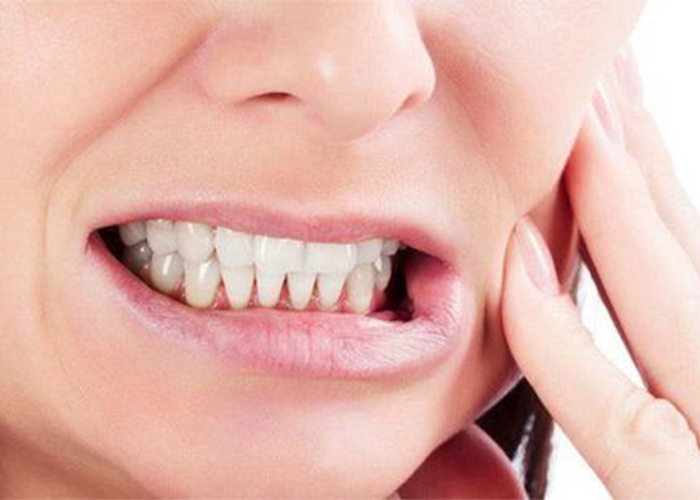
While such symptomatic treatments can sometimes reduce pain and improve jaw mobility, the discomfort often returns over time, and recurring episodes are not uncommon.
Our Approach
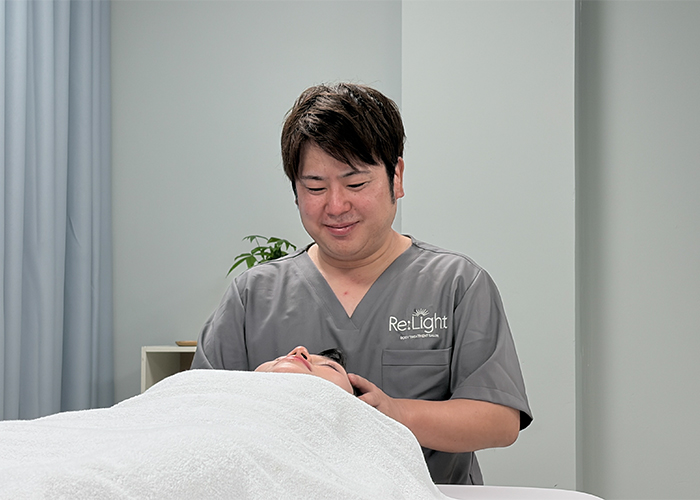
At Re:Light, we do not focus only on the jaw area itself. We pay attention to how the jaw is used during activities such as chewing, as well as the connections between facial muscles, the neck, and overall body usage.
The sense of discomfort around the jaw may relate to how the chewing muscles, facial areas, or neck are being used, and the amount of strain placed on these areas.
During sessions, we review these movement and usage patterns together and support awareness of ways to reduce unnecessary load on the jaw area.
We also value sharing perspectives that can be easily kept in mind during daily life, rather than limiting the experience to the session itself.