
Severe pain or numbness from frozen shoulder? Don’t give up—consult us before you do.
Are you experiencing any of these issues?
Your concerns
Leave it to Re:Light!
“My shoulder and neck stiffness, which didn’t improve with massage, finally got better.”
What Are Frozen Shoulder and “Forty/Fifty Shoulder”?

The official term for “forty shoulder” or “fifty shoulder” is periarthritis of the shoulder. Although the name suggests it mostly affects people in their 40s and 50s, it can also occur in younger individuals. Inflammation develops around the shoulder joint due to various factors, causing severe pain and a reduced range of motion.
Main Causes of Frozen Shoulder (Forty/Fifty Shoulder)
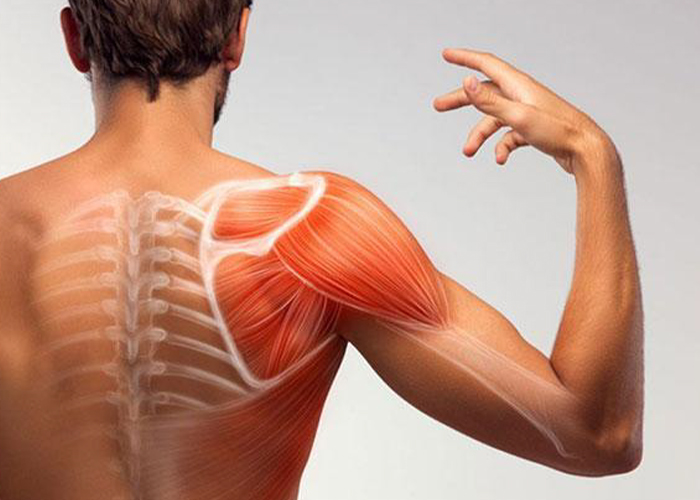
The main causes include degeneration of the tissues around the shoulder joint (such as the rotator cuff, bursa, and joint capsule) due to aging, poor blood circulation, and muscle imbalances.
Potential Worsening and Risks if Left Untreated

If left untreated due to severe pain and limited movement, the condition can progress to calcific tendinitis, where calcium deposits form in the shoulder joint, leading to a frozen shoulder (adhesive capsulitis).
At this stage, treatment through chiropractic care, physical therapy, or rehabilitation becomes difficult, and in severe cases, surgery may be required.
Our Approach
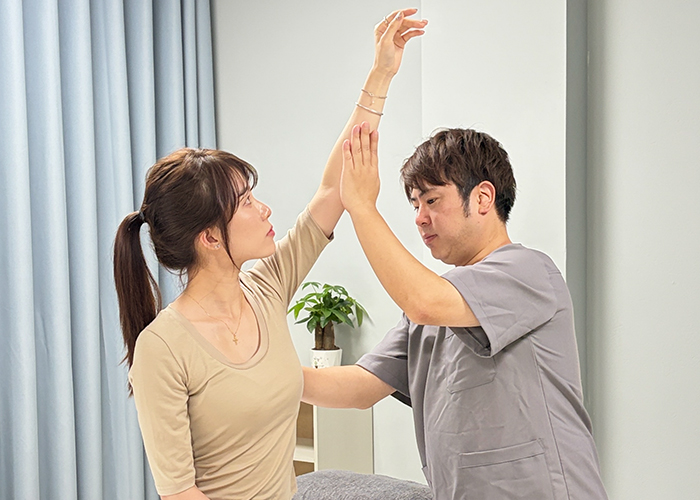
At Re:Light, we take a fascia-based perspective when working with areas where strain around the shoulder region is commonly felt, gently addressing muscles and tissues that tend to become stiff.
Rather than focusing only on the shoulder joint itself, we place importance on overall body usage and movement connections, supporting a sense of ease when moving the shoulder naturally.
Beyond the experience during the session, we value approaches that help maintain awareness of shoulder comfort in everyday life.