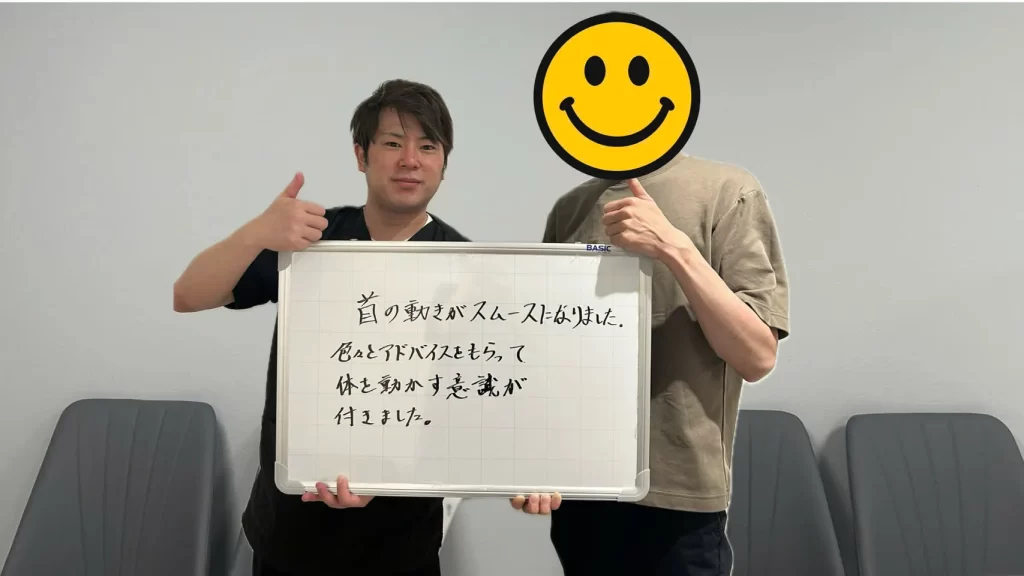
“Severe shoulder and neck stiffness, pain, or numbness… don’t give up—consult us first.”
Are you experiencing any of these problems?
Your concerns
Leave it to Re:Light!
The Growing Issue of Shoulder and Neck Stiffness in Modern Life
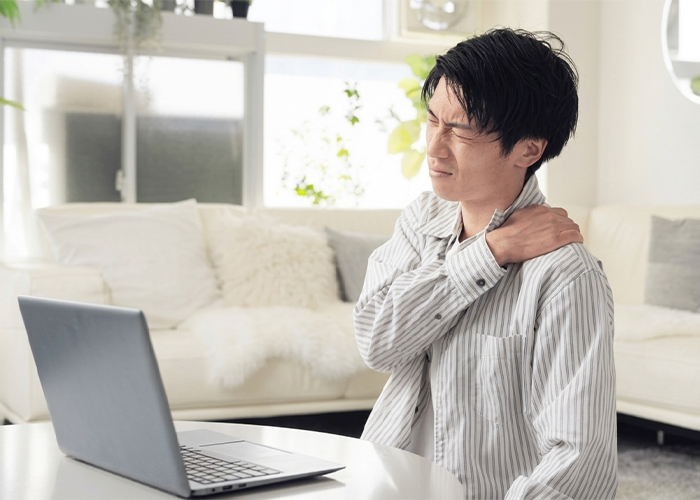
In modern life, people spend long hours on desk work and using smartphones, which can easily lead to poor posture, such as forward head posture or rounded shoulders.
When these poor postures persist over time, they often cause chronic neck and shoulder stiffness, heaviness, and even headaches.
The Real Causes of Shoulder and Neck Stiffness
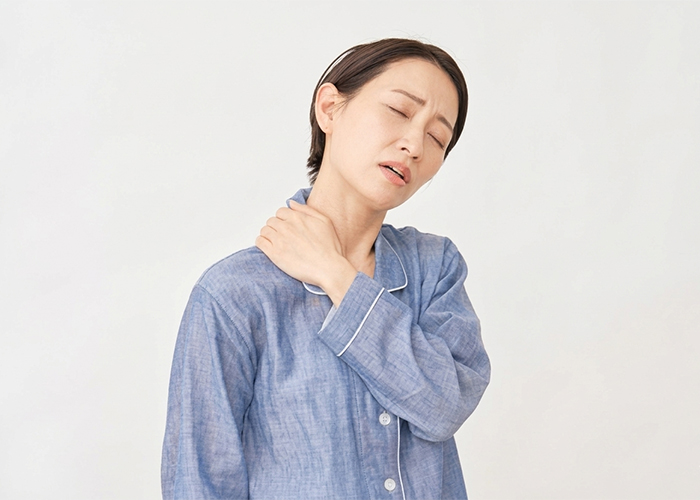
The cause of shoulder and neck stiffness isn’t just that the muscles in the neck and shoulders become tight.
Poor posture or maintaining the same position for long periods can restrict overall body movement, leading to stiffness in the chest, reduced mobility of the shoulder blades, and even shallow breathing.
In Hanoi, air pollution can also make shallow breathing more likely. Combined with limited opportunities for daily physical activity, this environment can easily lead to reduced exercise levels and imbalance in the autonomic nervous system.
How Shoulder and Neck Stiffness Affects the Whole Body
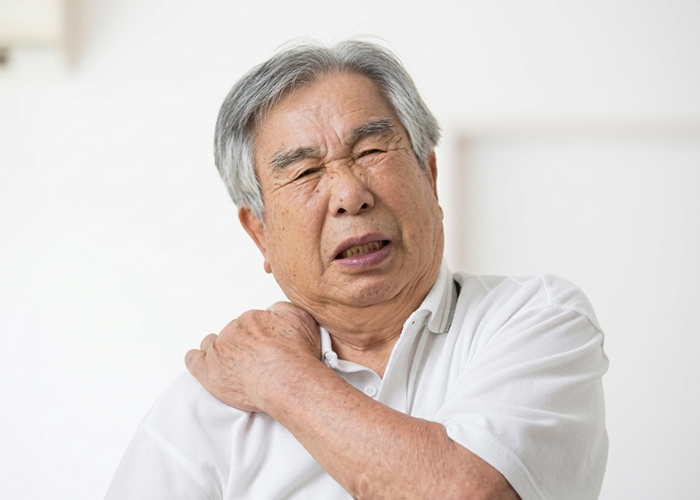
When the movement of the chest and shoulder blades is restricted, the muscles in the neck and back of the head tend to remain tense. This can lead to problems such as difficulty falling asleep, shallow sleep, and headaches.
Additionally, prolonged periods of holding a child or working with your head down can sometimes cause numbness in the arms and hands.
Our Approach
At Re:Light, our experienced Japanese staff conducts careful listening sessions, sharing each individual’s perceptions and daily situations, and guiding sessions in a gentle and comfortable manner.
Rather than focusing only on the neck and shoulders, we pay attention to the connections of the whole body and how it is used, while incorporating fascia‑based concepts into our approach. By placing awareness on areas such as the chest and shoulder blades, we aim to support a state in which tension around the neck and the back of the head is felt less strongly.
Alongside the session, we also share points related to everyday movements, encouraging awareness of body usage in daily life. We value supporting a state that naturally feels easier for breathing.
As a result, some people share that “before they realized it, their shoulders felt lighter,” experiencing changes that feel natural and unforced.”