Struggling with Autonomic Nervous System Imbalance? Before you give up, let’s talk.

Are you experiencing any of these problems?
Your concerns
Leave it to Re:Light!
“My autonomic nervous system imbalance has improved, and I’m enjoying life again!”
What is Autonomic Nervous System Imbalance? (Disturbance between the Sympathetic and Parasympathetic Nervous Systems)
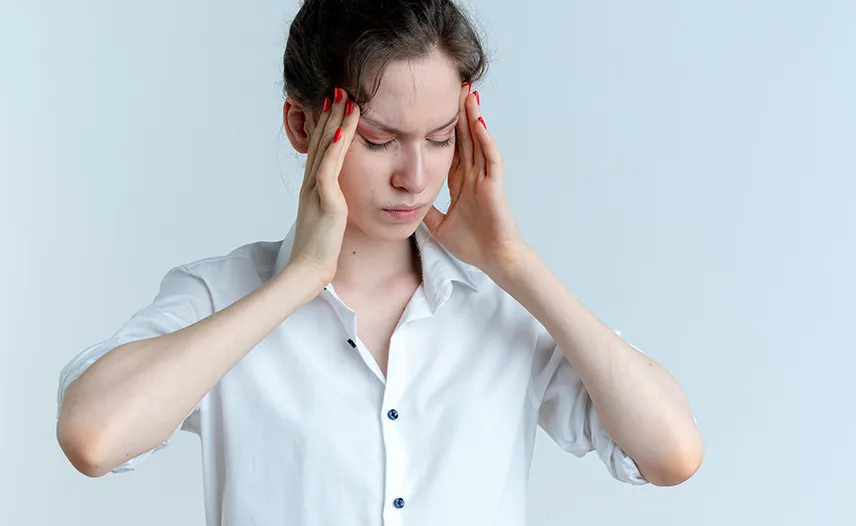
Autonomic nervous system imbalance refers to a condition where the balance between the sympathetic and parasympathetic nervous systems is disrupted due to stress or irregular lifestyle habits, leading to chronic symptoms throughout the body such as dizziness, palpitations, headaches, insomnia, and fatigue.
Main Causes (Mental, Physical, and Environmental Factors)

Causes include mental stress, irregular lifestyle habits, environmental changes, and hormonal imbalances.
The 4 Types of Autonomic Nervous System Imbalance

Autonomic nervous system imbalance can be classified into the following four types.
- Essential Autonomic Nervous System Imbalance: Characterized by a naturally unstable autonomic nervous system; most common in individuals with low blood pressure or a frail constitution.
- Psychogenic Autonomic Nervous System Imbalance: Characterized by sensitivity to psychological conflict and stress, making it easier for physical symptoms caused by emotional factors to manifest.
- Psychosomatic Autonomic Nervous System Imbalance: Primarily caused by daily stress. This is the most common type, where autonomic dysfunction and physical/mental symptoms are closely linked.
- Depressive-Type Autonomic Nervous System Imbalance: A type where strong physical symptoms, such as low blood pressure or hyperventilation syndrome, manifest suddenly.
There is No “Cure-All Medication” for Autonomic Nervous System Imbalance
Since there is no single medication that “cures” autonomic nervous system imbalance itself, medical treatment primarily focuses on symptomatic therapy and causal (root-cause) therapy.
Our Approach
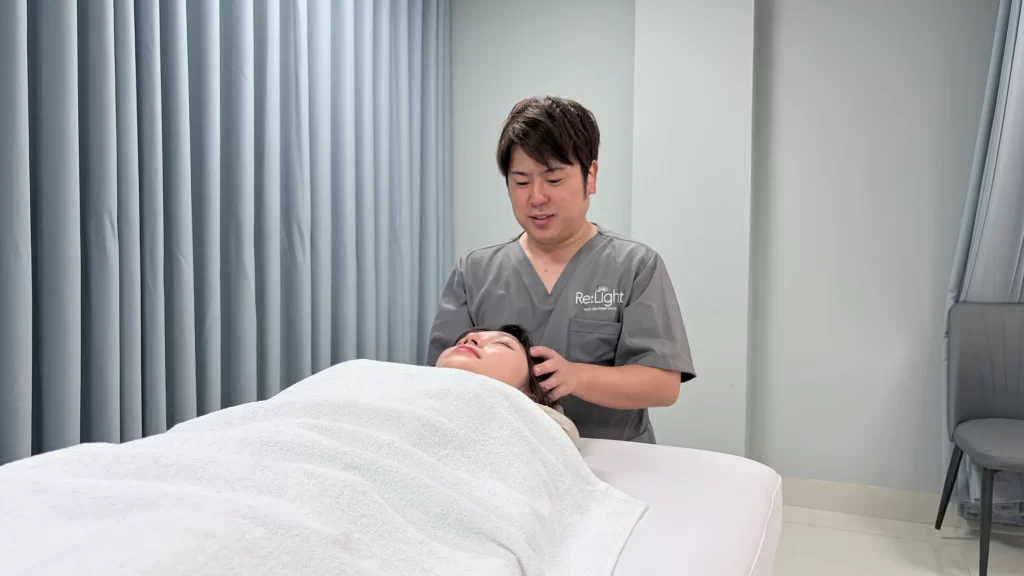
At Re:Light, we begin with careful listening, sharing each individual’s daily experiences and perceptions together.
Rather than focusing only on mental aspects, we also take a fascia‑based perspective, paying attention to whole‑body connections and how the body is being used.
During sessions, we avoid viewing mind and body separately, and instead support awareness of overall balance, helping each person notice states that feel more manageable in everyday life.